Make the queue easier to read
AI categorization can organize inbound cases, complaints and inquiries for configured routing. Sentiment signals can add context for prioritization and human review.

Travel & hospitality
Give every guest concern a clear way forward, across properties, journeys and partners.
ResolveCX brings complaint ownership, service recovery and follow-up into one connected lifecycle for travel service teams.

A clearer view of the whole concern
Travel and hospitality complaint management software brings guest and passenger concerns into one case lifecycle, from the first report to ownership, service recovery and follow-up. It helps teams coordinate across properties, journeys and partners. A dedicated complaint-management layer complements your PMS, booking platform and CRM, keeping the focus on resolving the issue rather than running the reservation.
Explore related workflows
The complaint lifecycle
A shared sequence helps teams see where ownership sits and what a guest or passenger needs next.
Bring the concern and journey context together, whether it starts at the front desk, by email or through a travel partner.
Organize booking, baggage, cancellation and service concerns into meaningful categories.
Consider urgency, customer impact and sentiment so people can focus on the right next step.
Give each complaint a responsible team, a response commitment and a clear next action.
Give authorized teams the context to decide a remedy and explain the next steps.
Bring the right specialist into the conversation when a concern needs additional attention.
Connect recurring themes with the teams responsible for root-cause review and corrective work.
Turn complaint themes and recovery decisions into priorities for the wider operation.
Useful assistance, in context
AI can help organize incoming concerns and bring relevant context into view. Teams remain responsible for the conversation, the remedy and the decisions that affect a traveler.
Explore AI complaint classificationMake the queue easier to read
AI categorization can organize inbound cases, complaints and inquiries for configured routing. Sentiment signals can add context for prioritization and human review.
Bring context into the handoff
Explore how customer segmentation, an omnichannel inbox and case summarization fit your teams' handoffs.
Support a thoughtful response
Knowledge guidance can help staff draw on relevant information while preparing a response.
Understand customer risk
Churn prediction uses past cases, SLA history including breaches, customer industry, sentiment and case nature, including complaints and escalations. Its score appears on the customer profile; people decide what follow-up is appropriate.
Explore churn predictionTravel service, in context
Select a travel sector to see how a concern can move from first report to a coordinated response across the teams involved.
Five travel contexts. One complaint lifecycle.
Response journey
A concern arrives
A post-stay concern about room noise and a disputed charge.
Teams join the context
Front desk shares the stay context with the duty manager; finance reviews the charge in the PMS.
One response takes shape
One guest response, with charge corrections and maintenance handled by the operational teams.
Response journey
A concern arrives
A disrupted journey, delayed baggage and a passenger waiting for a refund update.
Teams join the context
Passenger care brings together baggage and refund specialists around the complaint.
One response takes shape
A clear response owner, while PNR, baggage tracing and refund execution stay in their operational systems.
Response journey
A concern arrives
An excursion concern that continues after the voyage.
Teams join the context
Shore-side guest relations gathers ship-team notes and the excursion partner's account.
One response takes shape
A coordinated response across ship, shore and service partners.
Response journey
A concern arrives
An accommodation change reported through a destination representative.
Teams join the context
The service team brings supplier evidence to the organizer's specialist.
One response takes shape
A joined-up traveler response, with clear supplier follow-up and specialist review.
Response journey
A concern arrives
A mismatch between an online listing and a supplier's booking confirmation.
Teams join the context
Platform support works with partner operations to establish what happened.
One response takes shape
A named complaint owner, with booking changes and payments handled in the source systems.
A connected operating picture
Complaint management coordinates the response. Property, reservation, payment, loyalty and service systems remain the place for their operational records and actions.
Across your service teams
Clear roles, better handoffs
A simple way to frame how complaint teams and operational owners work together.
| Responsibility | Complaint management focus | Travel operating systems |
|---|---|---|
| Complaint ownership | Complaint teams coordinate the case owner, next action and customer response. | Property, booking and service systems maintain their operational records. |
| Escalation and response | Teams bring the right specialist into a concern and keep the response moving. | Service teams manage the operational work and commitments in their remit. |
| Service recovery | The complaint lifecycle keeps the concern, decision and follow-up together. | Authorized teams carry out refunds, vouchers and loyalty changes. |
| Recurring issues | Complaint themes give teams a starting point for investigation. | Operational owners lead root-cause evidence and corrective work. |
| Properties and partners | Complaint teams coordinate a response across local and central stakeholders. | Source systems remain authoritative for operational and partner records. |
Good questions for the next conversation
Make the next handoff clearer
Talk with our team about complaint ownership, service recovery and the people who keep your operation moving.
Keep exploring
Relevant guides and real-world perspectives for the work you are doing now.
 Guide
The full lifecycle of a customer complaint, from intake and acknowledgement through investigation, resolution, and root-cause closure. What structured complaint management looks like versus reactive ticket handling.
Explore resource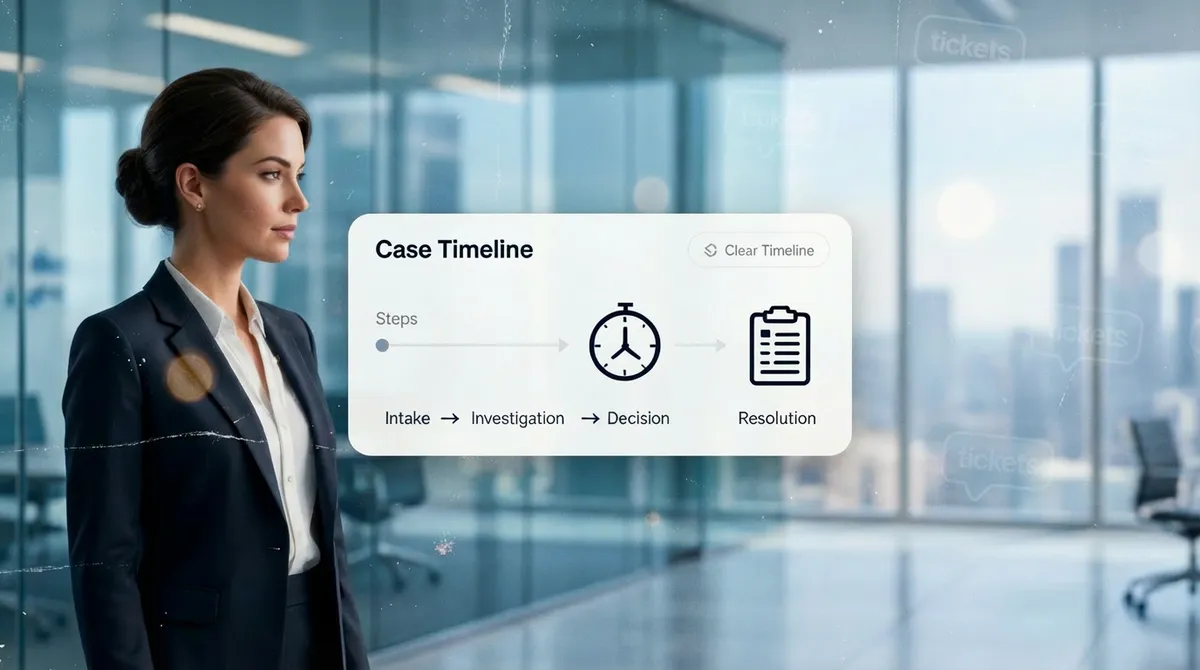 Guide
An overview of case management, how a case differs from a ticket, and the role of context, ownership, and records in resolving customer issues.
Explore resource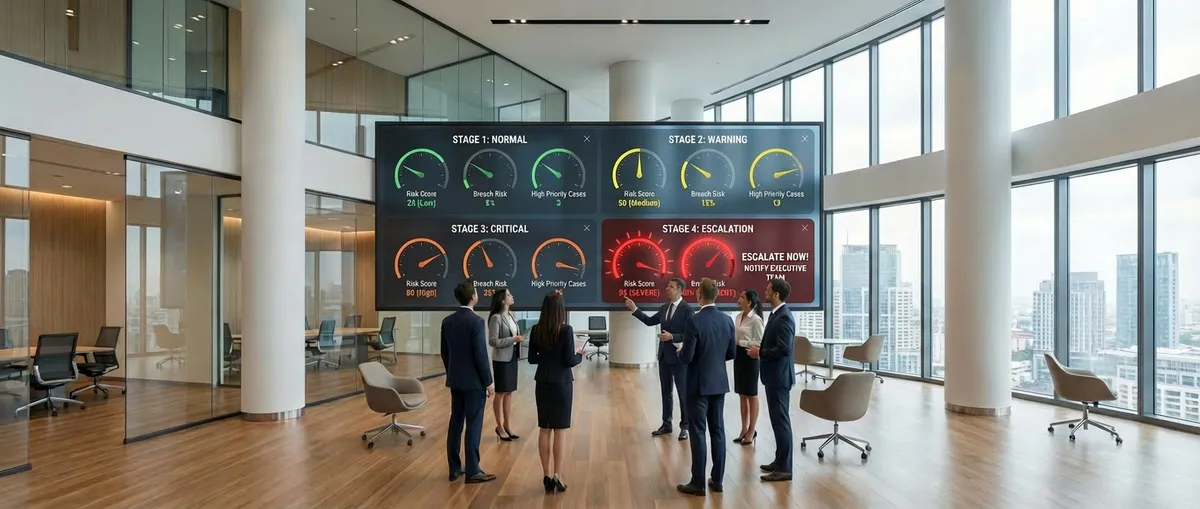 Guide
An overview of escalation management, including how work moves between teams and how defined ownership and handoffs support follow-through.
Explore resource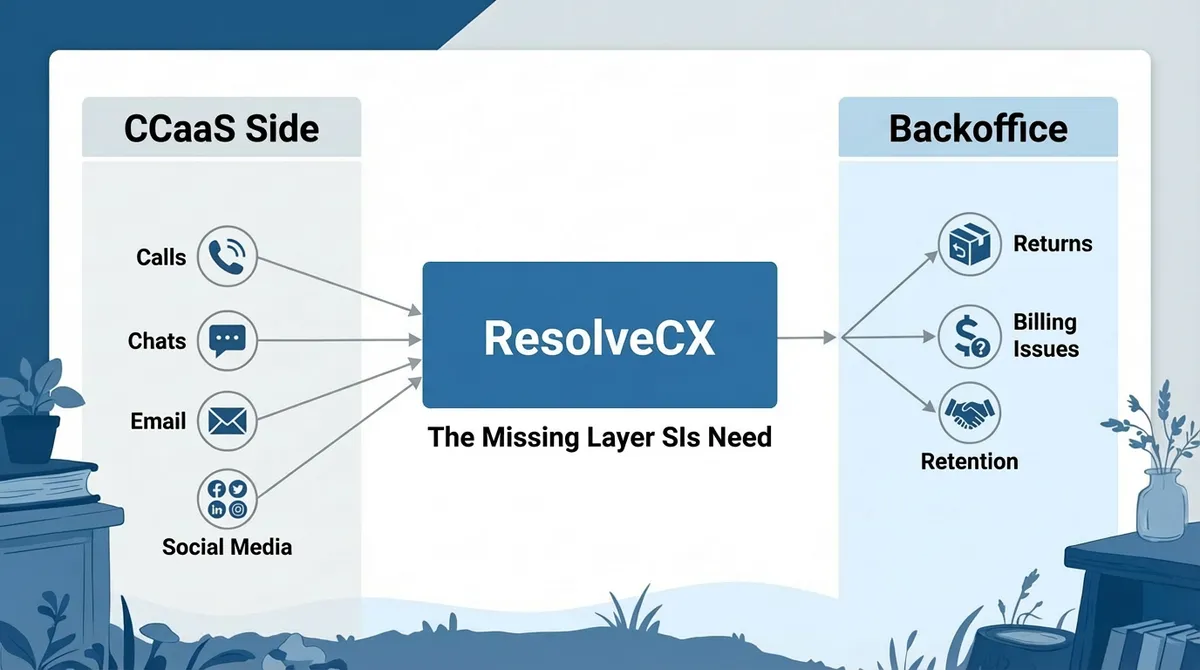 Guide
An overview of problem management, including how teams investigate recurring issues and distinguish underlying problems from individual incidents.
Explore resourceExplore classification and category-based routing for inbound work.
Explore resourceReview source context and human responsibilities during case handoffs.
Explore resourceExplore business knowledge for staff assistance and customer self-service.
Explore resourceCompare complaint-management approaches and buyer evaluation questions.
Explore resource